Open 24/7, Monday to Sunday | Serving Warsaw since 2015(574) 376-1552
Keanna Dumpster RentalDumpster Rental in Warsaw, IN
Dumpster Rental in Warsaw, IN

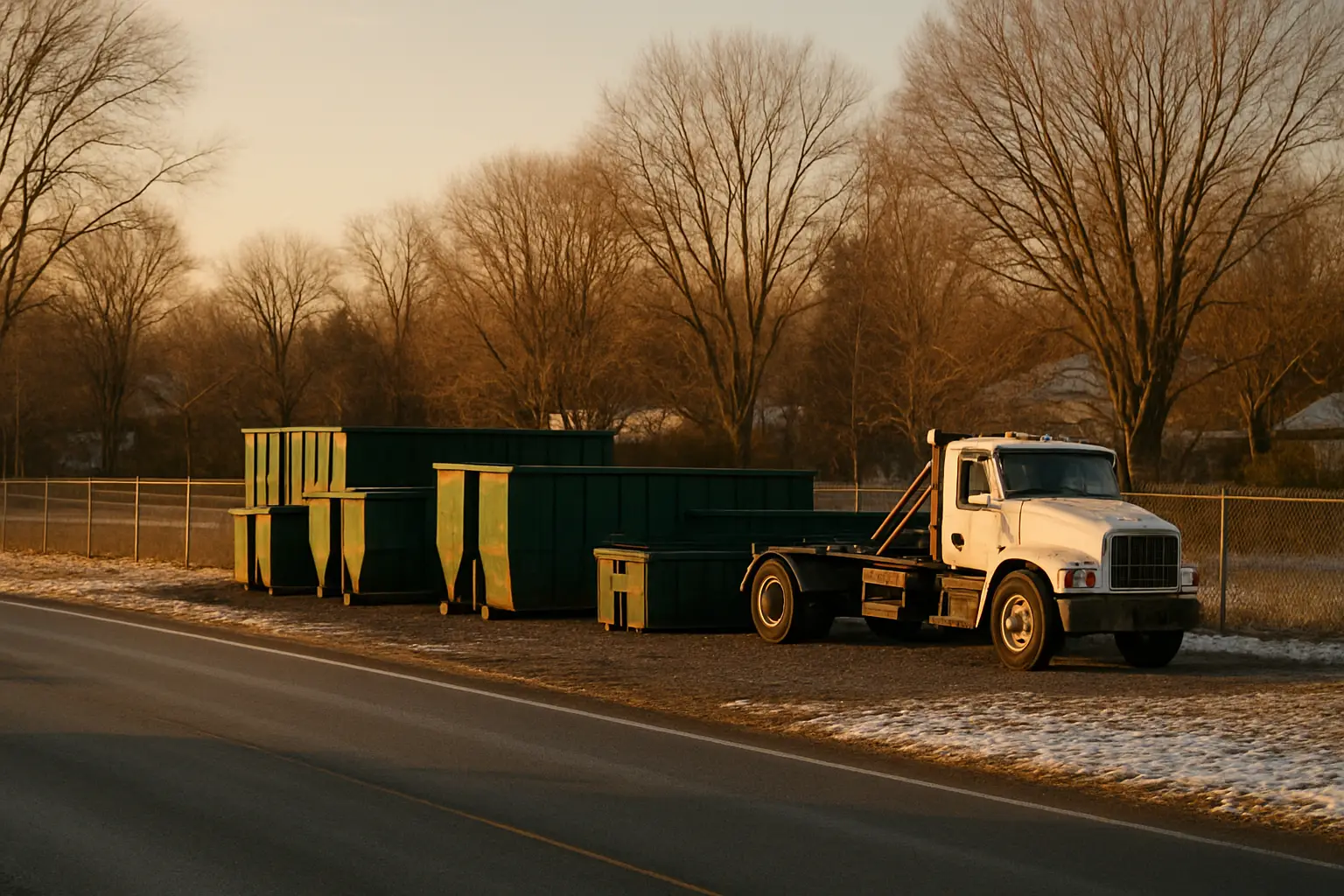
Local debris service

Dumpster Rental Warsaw, IN

Keanna Dumpster Rental confirms access and pickup timing, with placement details documented before delivery.

Dumpster Rental in Warsaw, IN gives homeowners, contractors, landlords, and businesses a practical way to contain renovation debris, household contents, roofing material, and yard waste. Keanna Dumpster Rental helps match the container to the material, checks the delivery path, and explains what should be ready before the truck arrives.

  • Licensed, bonded and insured
  • Serving since 2015
  • 4392+ containers delivered
  • Open 24/7, Monday to Sunday
  • Serving Kosciusko County

Local container help

Warsaw projects need practical dumpster planning

Keanna Dumpster Rental serves Warsaw and nearby parts of Kosciusko County with containers for residential, commercial, and construction work. A bathroom update may need only a small container, while roofing, demolition, or a full estate cleanout can require more room and stricter attention to weight. The useful conversation starts with the material, the amount, and the place the container must sit. We ask about driveways, alleys, lawns, street frontage, overhead branches, and truck clearance before scheduling. That prevents a container from being sent to a location where it cannot be placed safely or removed without damaging the property.

Warsaw has older homes near established streets, newer subdivisions with tighter driveways, commercial corridors, and properties around the lakes where grades, soft ground, and limited turning room can affect delivery. Spring rain and freeze-thaw conditions can leave shoulders and lawns weaker than they look. Keanna Dumpster Rental has delivered 4392+ containers and explains when boards, a different placement area, a smaller unit, or a heavier-duty plan makes sense. Service is available 24/7, Monday to Sunday, so customers can discuss a project before the work gets ahead of the disposal plan.
Dumpster applications

Warsaw dumpster rental for work of every scale

These container options cover common Warsaw jobs, from a single-room cleanout to an active construction site. Tell us what is being removed rather than guessing from the pile alone. Weight, loading method, property access, and the planned pickup all affect the workable choice.

  • Household Cleanout Dumpsters

    Use a container for basement contents, garage accumulation, damaged furniture, appliances, and general household clearing. Separate restricted materials before loading, and keep heavy items distributed across the floor instead of stacked in one corner. A walkthrough of the contents helps determine whether a 10-Yard, 15-Yard, or larger unit fits.

    Home clearing
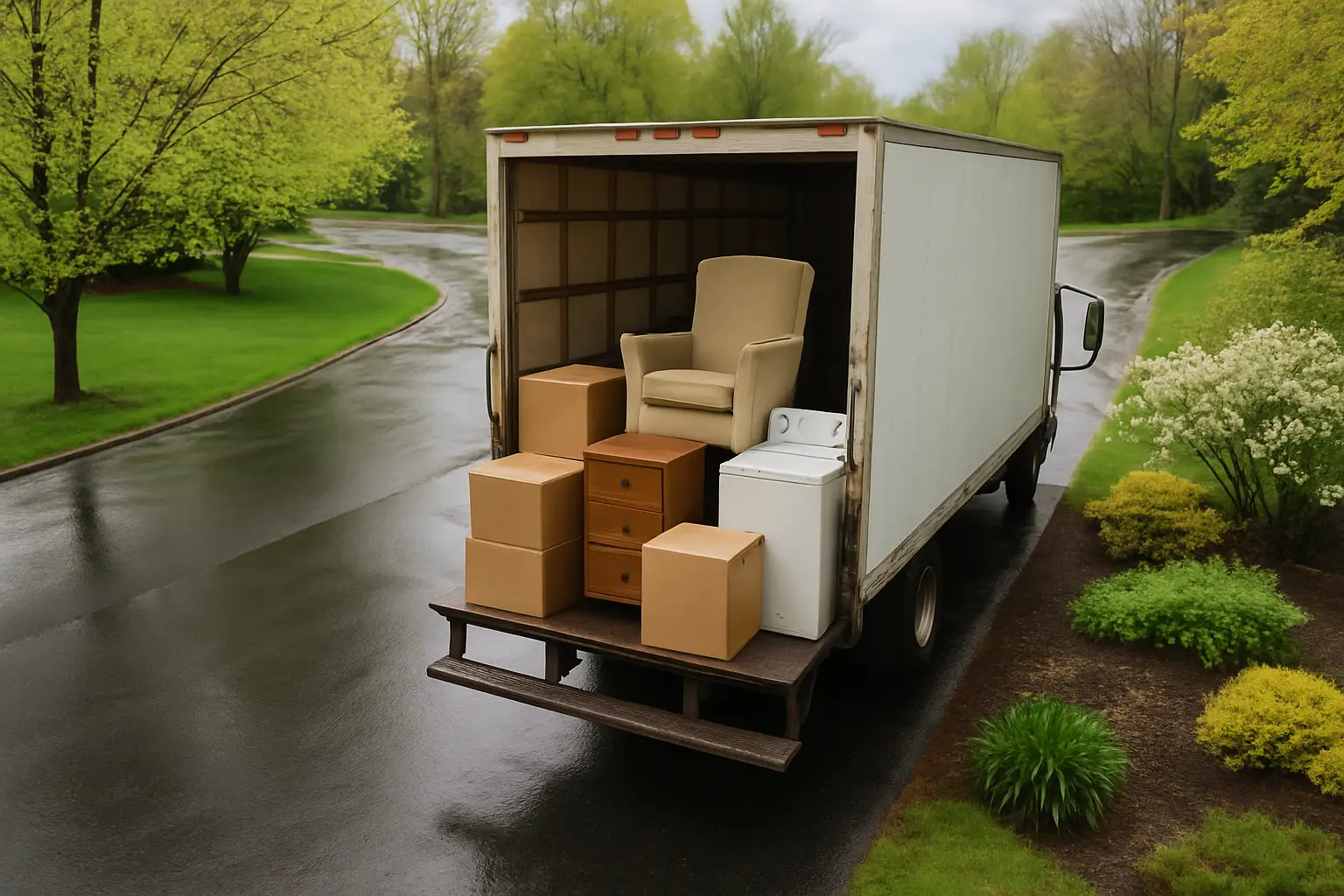
  • Moving and Estate Cleanout Dumpsters

    Moving and estate work often combines boxes, shelving, mattresses, furniture, and ordinary household debris. Keanna Dumpster Rental can help plan space around bulky pieces so the load stays contained. If usable items will be removed separately, say so before delivery because that changes the amount of container space needed.

    Move-out debris
  • Yard Waste Dumpsters

    Branches, brush, sod, soil, and landscaping debris do not load like household waste. Soil and concrete become heavy quickly, while brush can consume volume through air gaps. Describe the material and whether it will be cut down before loading. Wet spring ground may also change where a truck can safely set the container.

    Landscaping cleanup
  • Home Renovation Dumpsters

    Bathroom, kitchen, flooring, drywall, cabinets, and framing debris are common renovation loads in Warsaw homes. Keep material inside the container walls and avoid mixing unusually heavy debris with a full volume of lighter waste without checking first. The project scope and demolition method usually matter more than room count alone.

    Remodel debris
  • Roofing Debris Dumpsters

    Roof tear-offs produce dense, awkward loads that need careful sizing and weight planning. Shingles should be loaded evenly, with no material hanging over the edge. Tell us the roof area, number of layers, and whether sheathing or framing will also enter the container. Roofing access and driveway strength deserve attention before delivery.

    Roofing material
  • Same-Day Dumpster Delivery

    Same-day delivery can sometimes be arranged when a suitable container, truck route, and placement area are available, but it is not a deadline we promise before checking. Have the address, material, size preference, access details, and desired pickup timing ready so the schedule can be assessed honestly.

    Urgent cleanup
  • Concrete and Heavy Debris Dumpsters

    Concrete, brick, block, asphalt, tile, and dirt require a weight-first discussion. A large container is not automatically the correct choice for dense material. Smaller loads may be safer for the property and the truck. Explain whether debris is broken into pieces and whether other materials will be mixed with it.

    Heavy materials
  • Commercial Construction Dumpsters

    Commercial work often needs predictable placement, loading access, and pickup coordination around employees, customers, deliveries, and changing phases of construction. Share the site layout and expected material flow. A 30-Yard or 40-Yard container may fit volume, but the usable choice still depends on truck access and debris weight.

    Jobsite service
  • Recurring Business Dumpster Service

    Businesses with regular renovation, retail clearout, warehouse, or property maintenance waste may need scheduled container service rather than a single delivery. We discuss the material pattern, collection area, access hours, and pickup rhythm. Recurring service works best when the container location remains reachable without blocking daily operations.

    Ongoing waste

Additional cleanup options

Some Warsaw jobs need a different service

How scheduling works

A clear plan prevents delivery problems

  1. Describe the material

    Start with what will enter the container: roofing, concrete, furniture, drywall, soil, brush, or mixed renovation debris. Mention unusual items before scheduling. Material type affects weight, acceptable loading, container size, and whether a different disposal plan is more suitable than a standard mixed load.

  2. Review the property

    Explain where the container should sit and how the truck will reach it. Note driveway width, turns, grades, overhead wires, trees, parked vehicles, soft shoulders, gates, and street frontage. A clear access description lets the placement plan account for Warsaw’s older streets and newer residential layouts.

  3. Confirm placement access

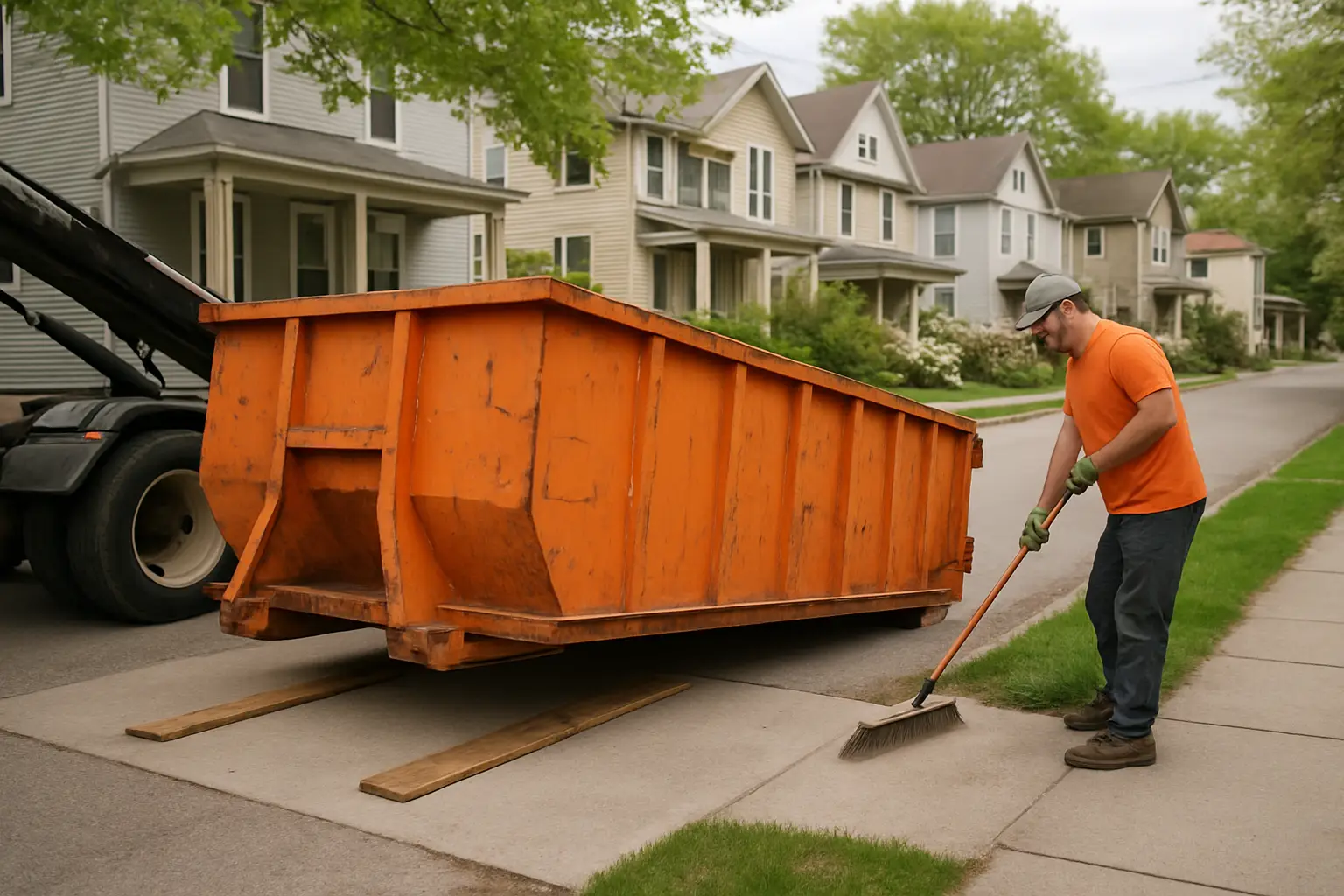
    Drivers confirm placement access and pickup timing before every delivery. That means the delivery conversation covers the intended surface, clearance, approach, and removal path instead of treating the address as enough information. If conditions change, report them before the truck is dispatched so the plan can be reassessed.

  4. Load within the container

    Load evenly and keep debris below the top edge. Put dense material where it will not create one concentrated heavy spot, and do not hide restricted materials beneath ordinary waste. Keep the access path open while loading, especially on narrow driveways or active commercial properties.

  5. Coordinate pickup

    Pickup timing is discussed around the project schedule and site access. Tell us when the work is likely to finish, whether vehicles or equipment may block the container, and whether the location will change. The container should be reachable when pickup is due, without loose debris around its base.

Why local planning matters

The useful answer is specific to your property

  1. Placement is checked before delivery

    A container that fits the project can still fail if the truck cannot turn, the driveway cannot support the load, or branches and wires limit clearance. Keanna Dumpster Rental reviews those conditions before delivery and discusses a safer alternative when the preferred spot is not workable. That may mean changing orientation, protecting the surface, using another access point, or choosing a smaller unit.

  2. Material drives the recommendation

    Volume alone does not tell the whole story. Roofing, masonry, concrete, dirt, and wet debris can exceed a practical weight before a container looks full. Conversely, furniture and light household contents may need more cubic space than expected. We ask what is being removed, how it will be loaded, and whether materials will be mixed before suggesting a tier.

  3. Scheduling is handled plainly

    Keanna Dumpster Rental is available 24/7, Monday to Sunday, for planning and scheduling discussions. We do not promise an arrival time until truck availability, route conditions, access, and the container type have been checked. If a requested deadline cannot be met, the useful answer is to say so and discuss the closest workable plan.

Service standards

What to expect from the container plan

  • Every delivery starts with a discussion of material, access, placement, and pickup needs.
  • Drivers confirm the intended container location before the truck is sent.
  • Customers receive straightforward guidance when a smaller unit fits the job.
  • Dense debris receives weight-conscious planning instead of a volume-only recommendation.
  • Loading must stay below the container walls and within the agreed material plan.
  • Keanna Dumpster Rental is licensed, bonded and insured for the work it provides.
  • Scheduling is available 24/7, Monday to Sunday, around the project’s actual needs.
  • Property conditions should be reported promptly when rain, thaw, construction, or parking changes access.

Placement and access

Where a dumpster can sit in Warsaw

In Warsaw, the safest placement is usually a firm, level driveway or a designated area on private property with enough room for the delivery truck to approach, lower the container, and leave without crossing weak ground. Older residential streets may have close parked cars, narrow approaches, mature trees, and overhead utility lines. Newer subdivisions can have tighter driveways, sidewalk crossings, and limited turning space. Around lake properties and lower areas, rain or thaw can soften shoulders and lawns. A container on a public street usually needs town permission first; tell us where it has to sit and we will explain what applies. Do not assume a grass strip is suitable simply because it looks flat.

The truck needs a clear route from the street to the placement point, including room to align, raise equipment, and remove the container later. Measure gate openings and driveway width, move vehicles, and identify low branches, wires, retaining edges, culverts, and slopes. Do not park directly beside the planned location or leave trailers blocking the approach. If the only option is a street, alley, shoulder, or lawn, describe the surface honestly. Boards or a different location may help protect pavement, but they do not solve every access problem. Drivers confirm placement access and pickup timing before every delivery, so changed conditions should be reported before dispatch.

Size and weight

How Warsaw homes change the container choice

Warsaw contains older homes with basements, plaster, wood framing, and layered flooring alongside newer homes with drywall, engineered materials, and compact driveways. That changes both volume and weight. A flooring removal may fill space quickly but remain manageable, while a bathroom demolition can include dense tile, mortar, and fixtures. Roofing shingles are heavy and stack differently from furniture. Estate and moving cleanouts usually need cubic room for mattresses, cabinets, boxes, and bulky pieces rather than a weight-first plan. Tell us whether debris is being dismantled, broken down, or loaded whole, because the same room can produce very different container needs.

Concrete, brick, block, dirt, asphalt, and wet soil deserve special caution. They can make a container too heavy before it appears full, particularly when mixed with household or renovation debris. A 10-Yard container may be sensible for a small dense load, while a 20-Yard or 30-Yard unit may better suit lighter bulky material from a larger project. Roof work, kitchen remodeling, and commercial clearouts should be described by material as well as estimated volume. When a property has a narrow driveway or soft edge, the practical size is also the size the truck can deliver and later retrieve safely.

Dumpster rental questions

Answers before you schedule in Warsaw

What size dumpster do I need in Warsaw?

The right size depends on debris type, volume, weight, loading method, and property access. A 10-Yard container often suits a small bathroom remodel or light cleanout, while larger renovation, roofing, and construction work may require a 20-Yard, 30-Yard, or 40-Yard unit. Warsaw homes with narrow driveways may limit the practical choice. Have the material list, project area, and placement location ready when you call.

How much does dumpster rental cost in Warsaw?

Cost is shaped by container size, rental duration, debris type, disposal requirements, delivery access, pickup timing, and local placement conditions. Heavy concrete or roofing debris can affect the recommendation differently from light household contents. A difficult driveway or public-street placement may also require extra planning. Describe the project, address, materials, and expected schedule so the estimate reflects the actual job.

Can a dumpster go in my Warsaw driveway?

A dumpster can often sit on a firm, level private driveway if the truck has enough approach clearance and the surface can support delivery and pickup. Trees, wires, slopes, parked cars, gates, and soft edges can make a different location necessary. Rain and thaw may weaken lawns or shoulders around Warsaw. Clear vehicles and measure the route before the delivery discussion.

Can I place a dumpster on a Warsaw street?

A container on a public street usually needs town permission first, and the applicable requirements depend on the exact location and circumstances. Street width, parking, traffic, sidewalks, and visibility also affect whether placement is workable. Do not reserve the street space on assumption alone. Provide the address, side of street, and proposed dates so the placement question can be reviewed.

What can I put in a dumpster?

Common accepted loads include household contents, furniture, drywall, flooring, cabinets, roofing debris, brush, and ordinary renovation waste, subject to the agreed material plan. Paint, chemicals, batteries, tires, refrigerants, electronics, and other regulated items may require separate handling. Tell us about unusual or hazardous materials before loading. Keep the container covered by its walls and never bury questionable items beneath ordinary debris.

How quickly can a dumpster be delivered in Warsaw?

Delivery timing depends on container availability, truck routes, access conditions, requested size, and the pickup schedule already assigned. Same-day delivery can sometimes be arranged, but it must be confirmed rather than assumed. Weather, road conditions, and construction can affect access around Warsaw. Share the address, preferred placement, size, material, and desired delivery timing for an honest scheduling answer.

Do I need to be home for dumpster delivery?

You may not need to be home if the placement area and truck route are clearly confirmed in advance, but someone should provide accurate access information and ensure the area is open. Gates, vehicles, wires, and changing construction conditions can prevent placement. This matters on Warsaw properties with narrow driveways or shared access. Remove obstructions and send any updated instructions before delivery.

How do I prepare for dumpster pickup?

Prepare by keeping the container accessible, ensuring debris stays below the top edge, removing vehicles or equipment that block the truck, and reporting any changed site condition. Pickup may be delayed or unsafe if the truck cannot align with the container. Wet ground, new fencing, and parked trailers deserve special attention in Warsaw. Have the expected finish date and access status ready when arranging pickup.

Plan the job

Talk through the container before work starts

A useful call covers the address, material, estimated volume, preferred container size, placement surface, truck access, delivery timing, and pickup needs. Keanna Dumpster Rental is available 24/7, Monday to Sunday. If the project is unusual, explain the difficult part first so the recommendation starts with the real constraint.

Phone

(574) 376-1552

The call covers material, size, access, placement, delivery scheduling, pickup timing, and any unusual debris.

Availability

24/7
Monday to Sunday, day and night

Have this ready

  • Project address
  • Material list
  • Placement area
  • Preferred schedule

Where we work

Warsaw, plus Winona Lake, Leesburg, Pierceton, Claypool, Mentone, Silver Lake, North Webster, Syracuse, Etna Green and Bourbon.

See the full service area list

Get a workable Warsaw dumpster plan

Describe the debris and the property before choosing a container. Keanna Dumpster Rental can explain the size, access, placement, and pickup details that fit your project, including what to prepare before delivery.

Click Here to Call(574) 376-1552

Kosciusko County service

Dumpster delivery around Warsaw

Keanna Dumpster Rental provides dumpster rental in Warsaw and nearby communities including Winona Lake, Leesburg, Pierceton, Claypool, Mentone, Silver Lake, North Webster, Syracuse, Etna Green, and Bourbon. Route planning, driveway conditions, lake-area access, rural lanes, and commercial traffic can affect placement and scheduling, so provide the exact property details when discussing delivery. Service is available 24/7, Monday to Sunday.

Downtown WarsawLakeviewBoggs Industrial ParkWarsaw East Business DistrictLeesburg Road corridorWinona Avenue corridor

Dumpster Rental in nearby towns

Click Here to Call(574) 376-1552